It doesn’t seem like having a period would be a controversial topic, particularly in this day and age but in many ways… it very much is. Some of the more taboo aspects of this bodily function have only recently started to be addressed and surprisingly, many more still remain cloaked in misunderstanding or stigma.
Reproductive rights, weight, sex, pregnancy, access to healthcare and periods…the female body has long been a battleground, with women fighting nonstop for dignity and control. And as our appreciation of gender identity becomes more complex and accommodating, more people find themselves inhabiting a body that others will use for their own political and moral battles.
One era of punk that acknowledged and dealt with this in an uncompromising and explicit fashion was riot grrrl. Out of the waning energy of the American Hardcore movement which dominated the alternative scene in the 1980s, women decided to take matters into their own hands by picking up guitars, creating zines, and building a network of feminists, artists, activists, and musicians.
Riot grrrl sought to end the stigmas and silence around women’s lived experiences by documenting them in songs and zines. Part of the radical aspects of this was the emphasis on the ‘personal being political’ (a term popular in the second wave feminist movement of 60s and 70s, first coined by Carol Hanisch’s 1969 essay, ‘The Personal Is Political’). Bands like Bikini Kill, L7, Babes in Toyland, Bratmobile and The Hissyfits, wrote and performed songs about the female experience from the traumatic to the mundane.
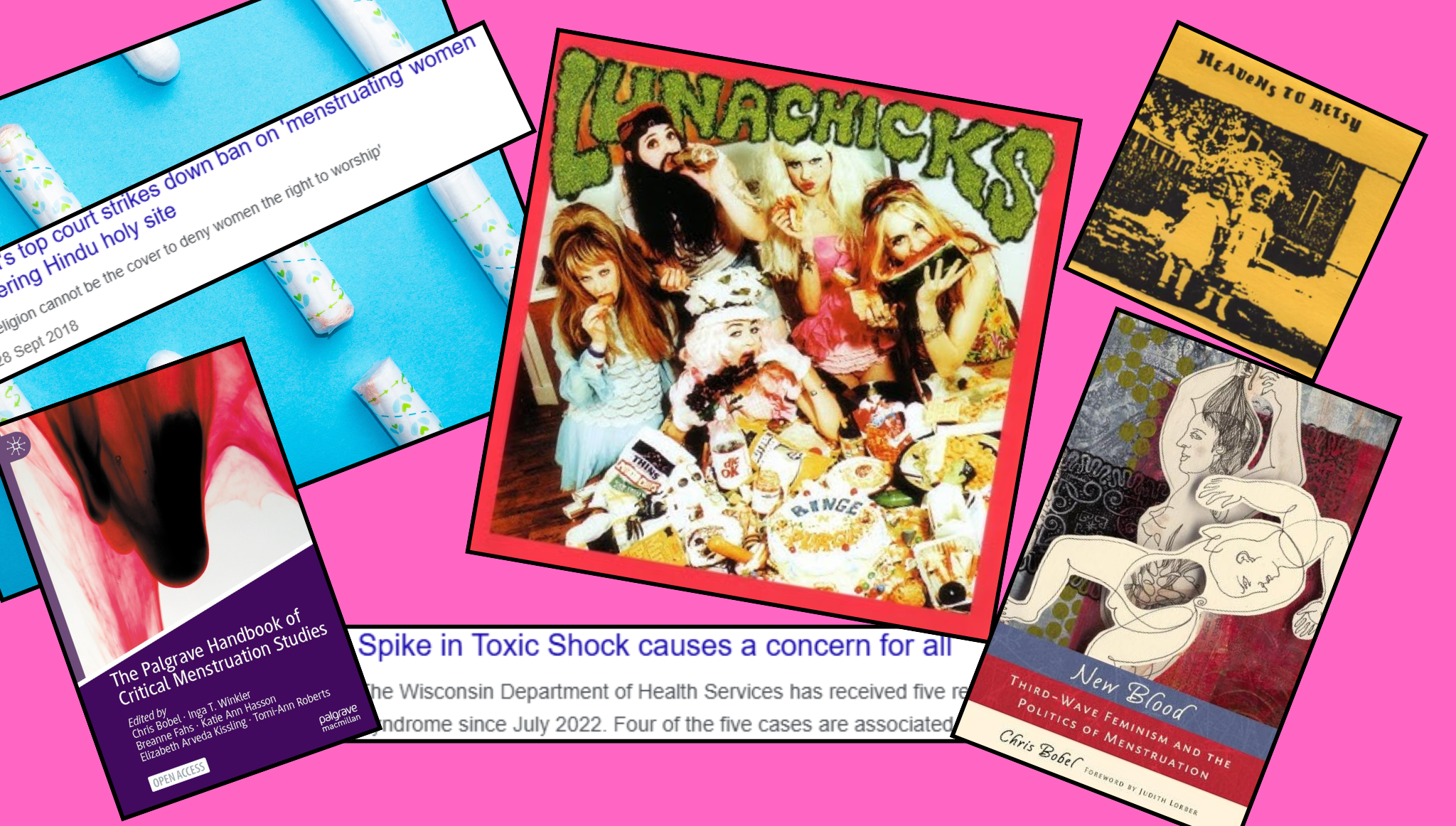
Menstruation and women’s bodily functions (previously only something discussed between a woman and her doctor) were sung about on stage with tracks like ‘My Red Self’ by Heavens to Betsy and Lunachicks’ ‘Plugg’ exploring society’s attitudes towards periods (“what is the colour, the colour of shame? is it red? is it blood, blood red?” from ‘My Red Self’).
New York’s Lunachicks straddle a few different musical scenes- they may have been considered part of the grunge movement and punk simultaneously (they cite The Ramones as one of their big influences and they’ve got that fast punk/NYC connection). One scene they have been more reluctant to consider themselves fully fledged members of is the feminist punk enclave that existed and thrived alongside the band.
But whether the Lunachicks are a straight up riot grrrl band is, in the year 2025, perhaps a nuanced point that heavy music historians may want to thrash out. But what is undeniable is that the topics that frontwoman Theo Kogan and co. covered in their music- and their unapologetic and intentionally crude persona – addressed many taboo topics concerned with being a woman or girl in the world with humour and bluntness.
The Lunachicks track ‘Plugg’ featured on their 1992 album ‘Binge and Purge’. The song is a relatable description of having a period- cramps, blood, chocolate cravings and lamentations galore. The song pretty much covers most of the worst bits of your monthly ‘visit’ by Aunt Flow, pain (“Might know pain but never pain like this… Throbbing pelvis underneath the rag”), cravings for junk food (“Gotta have some chocolate it tastes soooo good”) and of course, the BLOOD (“No escape from the blood running tree, Rivers run red, red and thick now”).
Simon Reynolds describes the band as “gleeful revelling in (rather than the repulsion from) the messy murk of female bodiliness.” Blood, guts and bodily fluids- it was reimagining women’s bodies not as objects purely for the desire of men, bodies that are devoid of the degradation of normal functions. Functions that we take time, effort and money to hide. Body hair, body smells, sweat, blood, spots…the Lunachicks used satire, humour and vulgarity to drag the absurdities and gross nature of being a brain in a meat suit into the spotlight.
It is hard to appreciate perhaps how curiously revolutionary it can be to talk about something like menstruation- something that a lot of generations and societies would be convinced that we’re actually pretty liberal about. Is it really that shocking or significant to sing about something like this when there are other punk bands singing about war, authority and other serious shit? Well, yes- periods are serious shit too and menstruation activism is a necessary and lifesaving area of feminist activism. Something that the riot grrrls knew very well.
Ladies In Red
There are numerous aspects of menstruation and periods that have found themselves in contentious political territory, reflecting attitudes on hygiene, gender equality, misogyny in health, public funding and sexual morality.
Throughout the ages, attitudes towards periods have changed, oscillating between being viewed as something shameful and unpleasant; or sometimes powerful or mystical. In Ancient Greece, blood would form part of ceremonies and rituals, linked to fertility and new life. But the influence of religion in later history would see periods as something to be feared or repulsed by, with women being considered dirty or impure and excluded from places of worship. And this has not been consigned to the dustbin of history, but is something that is unfortunately still relevant.
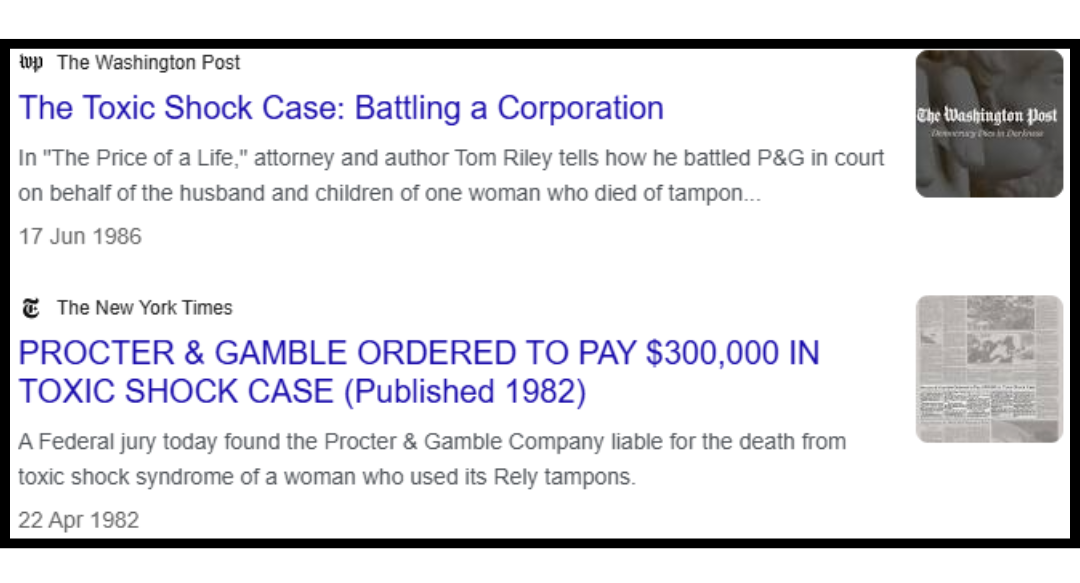
In 1978, Procter and Gamble released their super absorbent and fully synthetic ‘Rely’ tampon. Rely was made with a new material called carboxymethylcellulose. This also happened to be highly toxic. Women were leaving tampons in for much longer periods of time (due to being told the tampons could absorb more than average) and it is this which can cause a deadly bacterial infection called Toxic Shock Syndrome. A scathing report by the Centre for Disease Control linking the increased cases of TSS to ‘Rely’, led to the pharmaceutical company withdrawing the product in 1980.
In Atlanta, US, Alisha Coleman was fired from her job as a 911 call taker in 2016 for experiencing a sudden onset of heavy menstrual flow and bleeding on an office chair. The reason given by her employer was that by experiencing this bleeding, she was not complying with the policy around “high standards of personal hygiene and maintain(ing) a clean, neat appearance while on duty”.
In Kerala, India, the Supreme Court lifted a century old ban on women of childbearing age to enter Hindu temples in 2019. The restriction was based on a religious notion of impurity applying to menstruating women and Dalit. When two women went into the Sabarimala temple to pray however, massive violent disruptions erupted. The two women had to be given police protection for defying a centuries-old ban on menstruating women entering the temple.
In Nairobi, Kenya in 2023, Senator Gloria Orwoba entered the Parliament chamber with a bloodstain on her white pantsuit. She was ordered to leave for violating the chamber’s dresscode- the same day that her colleague Karen Nyamu had to leave for wearing a sleeveless dress.
These incidents all took place within the last 10 years. How we dress, the products we use, where we go, how well we conceal our bleeding…all are bound up in various legal and social pitfalls that we have to navigate to avoid negative reactions.
Ignorance around what periods actually are, and the impact they have on women’s health means that access to appropriate products or healthcare is not standard across the world and ‘period poverty’ affects approx. 500 million women and girls. A 2022 paper by medical journal The Lancet stated:
“Poor menstrual hygiene could lead not only to physical health problems such as reproductive and urinary infections, but also to issues that are related to mental health, linking the menstrual cycle to a negative feeling and leaving people who menstruate ashamed”.
The UK is not immune- in 2023 an Action Aid poll revealed that 21% (more than one in five) women and people who menstruate in the UK are now struggling to afford period products – up from 12% in just one year. This amounts to an estimated 2.8 million people, putting around one million more people into period poverty versus the previous year.
Plan International UK found two million students in the UK miss school due to period poverty, as 77% of girls say they have felt less able to pay attention at school, college, or work because of their period, with nearly a third (32%) feeling this way at least once a month. A study in the US, found period poverty to be a leading reason girls miss class and exams, equating to billions of hours of missed education globally due to period stigma and poverty.
And don’t think punk has turned away from this issue as it definitely hasn’t. Punk has been right there through all of this, working away in the background to raise awareness, funds, show solidarity and empower people to advocate for themselves and others when it comes to getting the resources and knowledge they deserve.

Chris Bobel, an associate professor of women’s studies at the University of Massachusetts, wrote the book ‘New Blood: Third Wave Feminism and the Politics of Menstruation’ which looks at radical campaigning and activism on the topic of menstrual health. And punk has been part of that action, utilising the DIY ethos it is known for and using zines and art to explore different products (or lack thereof in the case of free bleeding advocates), advocate the removal of taxes on menstrual paraphernalia, raise the issue of menstrual leave in workplaces and educate the masses on the functions of the body.
And all of this organised activity and campaigning has to start in the consciousness of those involved, and bands like Lunachicks, Heavens to Betsy and any other band that smash the shame are an important part of this.
Punk is ultimately about challenging oppression and control, and what better place to start than with our own bodies?
